
Common Misconceptions About Pet Waste and the Environment

Understanding the impact of pet waste on the environment is crucial for pet owners. Unfortunately, there are several common misconceptions that can lead to environmental harm. Let's explore some of these myths and uncover the truth.
Misconception 1: Pet Waste is a Natural Fertilizer
Many people believe that pet waste can be left on the ground to act as a natural fertilizer. However, this is a significant misconception. Unlike manure from herbivores, pet waste from carnivorous animals like dogs and cats contains harmful bacteria and parasites that can contaminate soil and water supplies.
Pet waste can carry pathogens such as E. coli and salmonella, which are hazardous to human health. When left untreated, these pathogens can seep into water systems, affecting aquatic life and potentially entering drinking water sources.

Misconception 2: Pet Waste Decomposes Quickly
Another common belief is that pet waste decomposes quickly, minimizing its environmental impact. In reality, pet waste can take up to a year to break down, depending on the conditions. During this time, harmful bacteria and nutrients can leach into waterways, contributing to algae blooms and other ecological issues.
These nutrients can lead to the excessive growth of algae in water bodies, a phenomenon known as eutrophication. This process depletes oxygen in the water, harming fish and other aquatic organisms.
Proper Disposal Methods
To mitigate these effects, it's essential to dispose of pet waste properly. Here are some recommended practices:
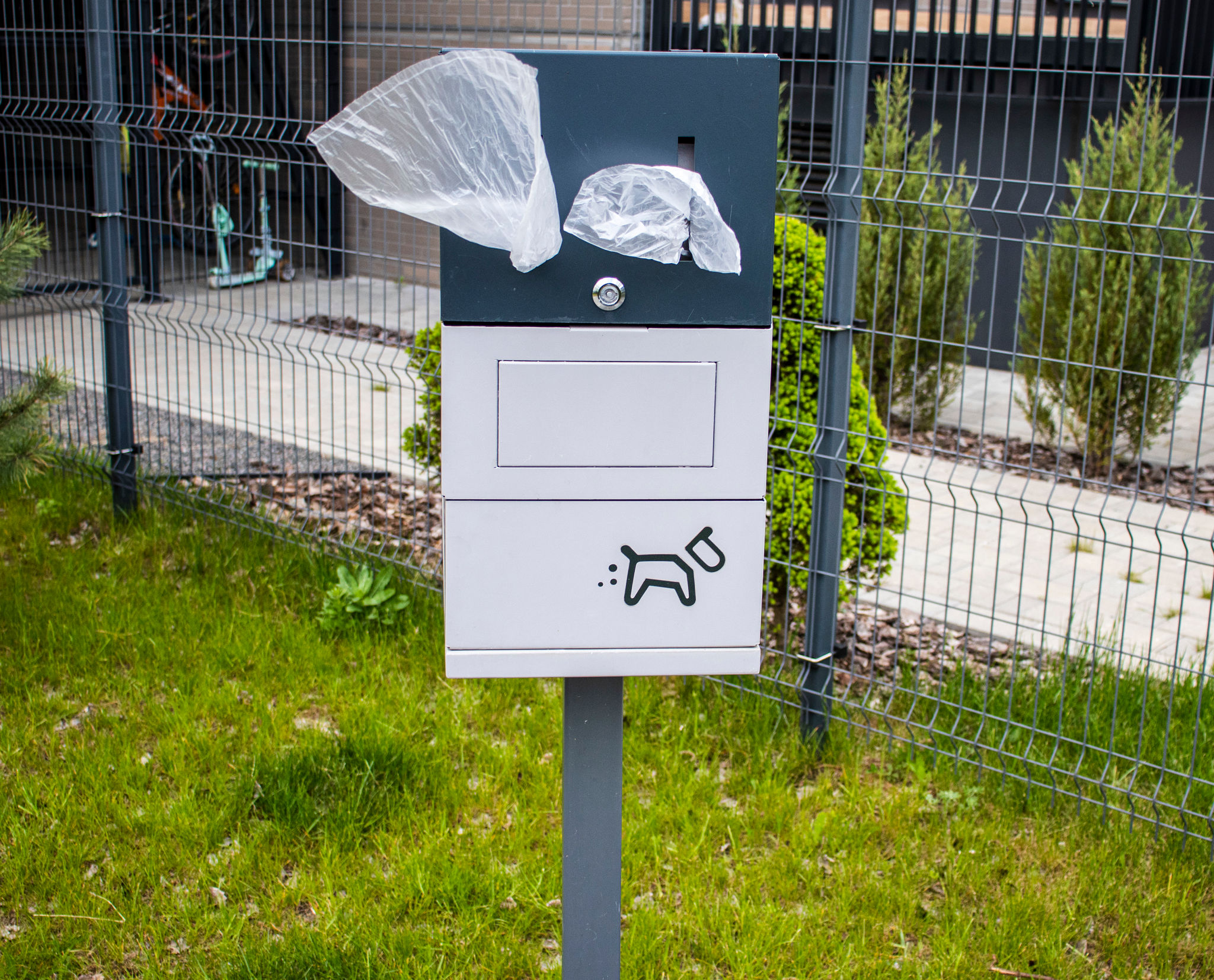
- Use biodegradable bags to collect pet waste and dispose of it in designated trash bins.
- Consider using pet waste composters that are specifically designed to handle the unique properties of pet waste.
- Never dispose of pet waste in storm drains or waterways.
Misconception 3: Pet Waste is Harmless in Small Quantities
Some pet owners may assume that a small amount of waste will not cause harm. While it might seem negligible, the cumulative effect of pet waste in urban areas can be significant. With millions of pets across the country, even small amounts of waste add up, creating substantial environmental challenges.
This is especially true in densely populated areas, where the concentration of pet waste can lead to severe health and environmental issues if not managed properly.
Community Efforts
Addressing these misconceptions requires community effort. Pet owners can contribute by:
- Educating others about the environmental impact of pet waste.
- Participating in community clean-up events.
- Advocating for better waste management policies in local areas.

By understanding and addressing these misconceptions, pet owners can play a vital role in protecting the environment. Responsible pet waste management ensures a healthier world for both humans and animals alike.